Discover assisted living Charlotte for compassionate care in a welcoming community
Senior Living: Your Route to Comfort and Community
Senior living communities offer essential aid for older adults, creating environments that foster both comfort and connection. These communities offer diverse options tailored to different needs, including independent living and specialized care. Residents benefit from structured services and engaging activities that promote well-being. However, choosing the right community can be challenging. Understanding the various types and benefits available is critical for making an informed decision. What factors should one consider in this important change?
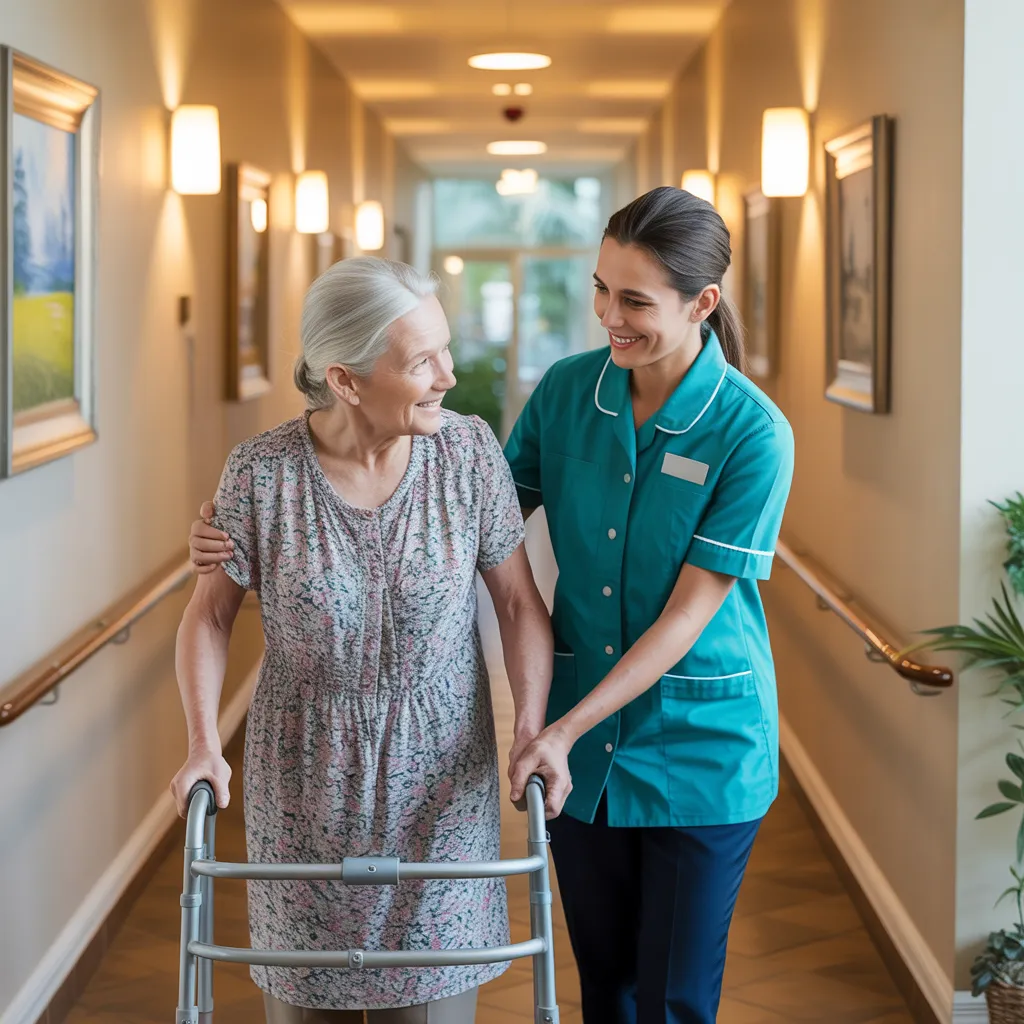
Why opt for Senior Living Communities?
Selecting senior living communities can significantly improve the quality of life for older adults, particularly as they pursue companionship and support. These communities offer a structured environment that facilitates social interaction, minimizing feelings of loneliness and isolation. Residents have opportunities to take part in a range of activities, including fitness classes and cultural events, supporting both physical and mental health.
In addition, senior living establishments frequently provide key services like meal preparation, housekeeping, and healthcare assistance, allowing residents to focus on enjoying their lives rather than dealing with daily chores. Safety is an essential concern; these communities usually feature secure environments and staff present to respond to emergencies.
Additionally, the feeling of belonging present in these communities can greatly improve emotional health. Residing among peers with shared experiences and interests enables older adults to build meaningful relationships, which enhances their overall happiness and life satisfaction.
Explore the diverse categories of Senior Living choices
In the area of senior living, various options address the diverse needs of older adults. Independent living provides a lively, self-sufficient lifestyle, whereas assisted living offers assistance for those needing added help with daily activities. Understanding these distinctions is vital for making informed choices about senior care.
Independent Residence Choices
Numerous seniors strive to hold their independence, and there is a variety of living options available to support their lifestyle needs. Independent living communities grant seniors the chance to live freely in a communal setting. These communities often provide amenities such as leisure activities, dining services, and housekeeping, encouraging a sense of community while allowing residents to keep their personal freedom. Alternative options include senior apartments, which focus on offering senior-appropriate features without extensive communal services. Additionally, co-housing arrangements permit seniors to cohabit and share responsibilities, fostering camaraderie. Each option caters to different preferences and financial situations, enabling seniors to pick the best fit for their preferred level of independence and engagement.
Assisted Accommodation Forms
Assisted living options address seniors who require various levels of support while still valuing their independence. These establishments generally offer a variety of services to cater to diverse needs. For instance, personal care homes deliver basic support with daily activities like bathing and dressing. Memory care units focus on assisting individuals with Alzheimer’s or other dementia forms, ensuring a safe environment designed for cognitive needs. Adult day care centers provide temporary supervision and socialization during the day, allowing caregivers respite. Finally, residential care communities combine housing with tailored services, enhancing a sense of community. Each kind of assisted living aims to enhance quality of life while encouraging autonomy and dignity for seniors.
Top 5 Advantages of Senior Living Communities
Choosing a retirement home can greatly enhance the overall quality of life for older adults, as these environments are designed to promote social connections and provide important support. One important benefit is the feeling of community, which helps reduce feelings of isolation. Residents engage in various social activities, encouraging friendships and shared experiences.
An additional advantage is access to personalized services, making certain that individuals get the support they need while maintaining independence. Moreover, many senior living communities offer amenities such as fitness programs and wellness activities that encourage a healthy lifestyle.
Safety remains a priority, offering features like immediate help services and safe environments. Ultimately, maintenance-free living lets residents make the most of their time without the worries of house maintenance. Combined, these benefits contribute to a rich and rewarding life, positioning senior living communities as an appealing option for older adults.
How to Find the Perfect Senior Living Community
How can someone determine the ideal senior living community for themselves or a loved one? The first step is to evaluate individual needs, including health care requirements, mobility, and personal preferences. It is vital to evaluate the types of services offered, such as assistance with daily activities, medical support, and transportation.
Location also plays a crucial role; proximity to family, friends, and important amenities can boost living standards. Visiting potential communities allows for direct experience of the environment, staff interactions, and available facilities.
Budget factors are crucial, as costs vary widely among communities. Understanding what is covered in the fees can prevent unexpected expenses.
Lastly, seeking recommendations from medical experts or trusted acquaintances can provide useful insights. By taking these factors into account, one can make an educated decision that aligns with their way of life and needs, ensuring a cozy and supportive living arrangement.
Exciting Community Opportunities for Older Adults
In senior living communities, opportunities for social engagement are vital in boosting residents' quality of life. Activities aimed at health and fitness not only support physical health but also build connections among residents. Collectively, these components create a dynamic environment that promotes active participation and community bonding.
Social Engagement Chances
An animated range of social involvement options enhances the lives of seniors living in communal living spaces. These activities encourage relationships, allowing residents to form companionships and participate in experiences. Frequent meetings, such as organized meals, gaming sessions, and craft lessons, present settings for communication, working against experiences of loneliness. Group outings to local points of interest inspire adventure and appreciation of the vicinity. Volunteer projects also empower seniors by helping them contribute their time and abilities, nurturing a feeling of value. Furthermore, clubs focused on hobbies such as gardening or literature circles allow residents to engage based on shared passions. Through these varied options, seniors attain increased emotional well-being and a strengthened sense of belonging within their residence.
Well-being and Training Regimens
Numerous wellness and fitness programs play an essential role in improving the well-being and liveliness of seniors in community living. These programs comprehensive article are created to accommodate various fitness levels, ensuring that all residents can participate. Activities such as yoga, water aerobics, and gentle strength training promote physical health while also encouraging flexibility and balance. Many communities offer group classes, encouraging social interaction and camaraderie among participants. Additionally, wellness initiatives often include educational workshops on nutrition and mental health, empowering seniors to make informed lifestyle choices. By focusing on both physical fitness and overall well-being, these programs contribute to a vibrant and engaged community, ultimately enhancing the quality of life for seniors living in these environments.
How to transition effortlessly to Senior Living
How can one manage the often touching journey of moving to senior living? Shifting to a new environment can be tough, yet planning and support can facilitate the process. First, it is vital to visit potential communities, allowing individuals to imagine their new home and examine the amenities available. Engaging family members in discussions can encourage emotional support and help reduce anxieties.
Next, reducing belongings is essential. Sorting through possessions can be a therapeutic experience, allowing individuals to keep cherished items while releasing excess. Involving friends or family in this process can make it more manageable.
Developing a routine in the new community can also help adjustment. Taking part in community programs and exploring wellness initiatives can establish connections and nurture a community bond. Ultimately, embracing the change with an accepting heart can lead to a enriching and lively life in senior living.
Commonly Asked Questions
How Much Does the Mean Expense of Senior Living Communities Amount to
The typical cost of senior living communities usually varies from $2,000 to $6,000 per month, fluctuating greatly based on region, amenities, and the degree of care provided, making budgeting important for prospective residents and their families.
What is the best way to handle transferring belongings to a Senior Living Community?
To tackle moving belongings to a senior living community, one should create a detailed inventory, organize items by importance, seek assistance from family or professionals, and contemplate downsizing to match the new space effectively.
Do Immediate Relatives Can Call on Occupants in Senior Citizen Living Communities?
Yes, relatives can see residents in senior living communities. Many facilities promote these visits to support residents' mental health, often providing specific visiting hours and spaces to facilitate meaningful interactions between residents and their family members.
Is it permissible to have pets in retirement living areas?
A lot of retirement communities do allow pets, fostering companionship and emotional support. That said, particular policies on kinds of pets, their sizes, and quantity differ, so future residents ought to check regulations before deciding.
What Protection Steps Are Taken in Place in Senior Living Facilities?
Senior living facilities typically employ various precautions, including emergency alerts, secure entry points, regular safety drills, accessible layouts for mobility, and trained staff available around the clock to guarantee residents' well-being and security.