Complete Guide to Private Home Care Oshawa
Compassionate Home Care Services: Providing support to Loved Ones in Their Own Space
Compassionate home care services provide critical assistance for individuals wanting to stay in their comfortable environments. These services cater to diverse needs, ranging from daily help to specialized medical care. By prioritizing emotional well-being and preserving dignity, caregivers build meaningful connections with family. Yet, many remain unaware of the complete range of benefits that home care can deliver. Comprehending these aspects is essential for making informed decisions about care options. What lies ahead in this investigation?
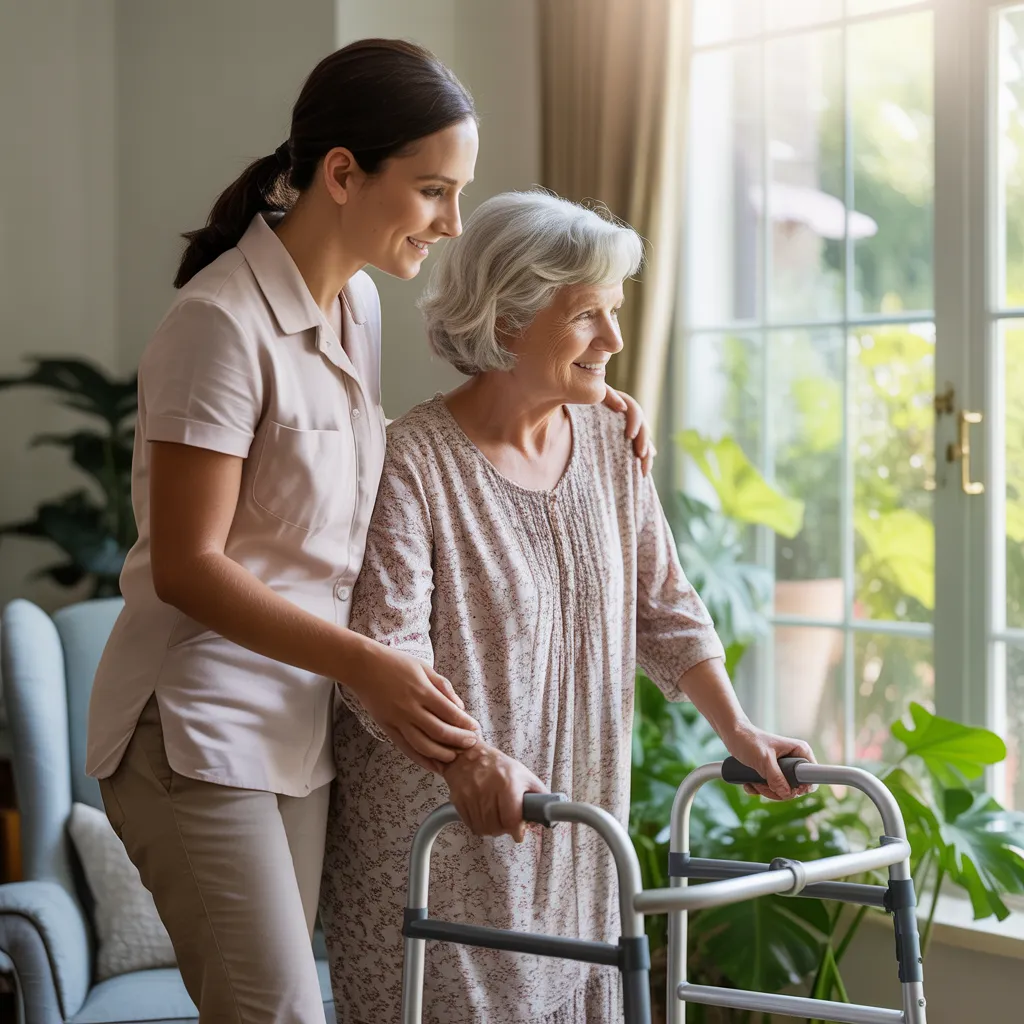
What Everyone Ought to Discover About Home Care Assistance
Home care solutions play an essential role in supporting people who require assistance due review this content to getting older, illness, or disability. These options encompass a range of personalized care options, including medical and non-medical support tailored to individual needs. Care can include help with daily activities such as bathing, dressing, and meal preparation, as well as skilled nursing services like medication management and physical therapy.
Families regularly seek home care to allow their loved ones to stay in comfortable environments while getting the necessary support they require. It can deliver significant relief for family caregivers, who may struggle to manage work and personal responsibilities. Understanding the various types home care services available is vital for making informed decisions. Reviewing the specific needs of the individual and exploring local service providers can support families pick the right care plan, making certain that their loved ones obtain compassionate and effective support at home.
Primary Advantages of Home Care for Older Adults
Home care offerings offer noteworthy advantages for seniors, stressing their independence and honor. Custom care plans pledge that distinct needs are attended to, promoting a elevated standard of life. Additionally, obtaining backing in a familiar space can enhance emotional satisfaction and comfort.
Greater Self-Determination And Dignity
Many seniors feel a desire for independence as they age, making enhanced independence a essential aspect of in-home care. By receiving care in their familiar environment, seniors can maintain control over their everyday habits and individual decisions. This method fosters a sense of dignity, allowing them to participate in activities that promote well-being and self-esteem. Home care services empower seniors to participate in decision-making about their care while offering support with everyday activities, ensuring they can exist as independently as possible. Additionally, the presence of a caregiver can alleviate loneliness, enabling seniors to preserve relationships and pursue hobbies. Ultimately, home care services enhance both autonomy and respect, contributing positively to seniors' general quality of life.
Tailored Care Solutions
Personalized care plans play a crucial role in maximizing the efficacy of home care services for seniors, as they address individual needs and preferences. These tailored plans consider each senior's distinct medical history, lifestyle choices, and personal goals, ensuring that care is both appropriate and appropriate. By focusing on specific needs, caregivers can provide targeted support, enhancing the quality of life for seniors. Additionally, personalized care plans facilitate better communication between caregivers and families, fostering a cooperative approach to care. This alignment not only builds trust but also empowers seniors to take an active role in their own care journey. Fundamentally, personalized care plans are essential in delivering compassionate, effective home care tailored to each individual’s circumstances.
Known Surroundings Advantages
While adapting to new surroundings can be taxing for seniors, receiving support in a familiar environment offers many advantages. Living in their own homes allows seniors to maintain a sense of independence and command over their daily routines. Comfortable settings can decrease anxiety and confusion, encouraging a feeling of safety and comfort. Furthermore, home care enables seniors to stay close to beloved memories and personal belongings, which can enhance emotional well-being. Social connections are also reinforced, as they can easily have visitors from family and friends. Moreover, caregivers can customize support to fit their unique environment, ensuring that assistance aligns with the senior's specific requirements and preferences. Overall, home care promotes a holistic approach to well-being in a comforting space.

Home Care Solutions Categories
Home care offerings encompass a range of types designed to fulfill diverse individual needs. These services can generally be classified into non-medical and medical care. Non-medical home care usually includes assistance with daily living activities, such as personal hygiene, meal preparation, and companionship. Caregivers may also help with light housekeeping and errands, promoting a comfortable and supportive environment.
On the flip side, at-home healthcare delivers professional expertise supplied by authorized medical staff. This may feature direct nursing support, therapeutic exercises, and medication management, personalized for individuals with specific health conditions. Also, bespoke care options like symptom management care assist those with chronic illnesses, stressing comfort and quality of life.
Deciding on the Correct Home Care Agency
How can someone guarantee they pick the most appropriate home care provider? The process begins with identifying particular requirements, as needs can differ greatly among individuals. Conducting comprehensive investigation is essential; potential clients should copyrightine various agencies and their services. Online ratings and feedback can provide insights into the standard of care offered.
Also, conversations with prospective providers are critical. These interactions help families evaluate compatibility, copyrightine how they interact, and establish care approaches. It is also necessary to inquire regarding the qualifications and training of caregivers, confirming they have the required expertise and qualifications.
Moreover, comprehending the financial aspects, encompassing payment options and insurance coverage, is essential to avoid unexpected expenditures. Finally, assurance and comfort are fundamental; families should remain confident that their loved ones will obtain compassionate, consistent care in their own homes.
Common Misunderstandings About Home Care Services
People frequently hold misconceptions about home care offerings, particularly concerning their cost and extent. It is commonly believed that home care is extremely expensive and gives limited services. Addressing these misconceptions is vital for a clearer understanding of what home care can offer.
Home-Based Care Carries High Costs
Dispelling the idea that home care services are unaffordably costly shows a more layered reality. While some may regard the costs as steep, it's important to factor in the value provided. Home care can often be more economical than choices such as nursing homes or assisted living facilities, especially when considering the costs tied to relocation and additional services. Moreover, many families discover that home care enables their loved ones' independence, conceivably postponing the need for more intensive care. Insurance plans, public programs, and support options can further reduce expenses. Appreciating the extensive benefits of home care can alter perspectives, making it a practical option for those seeking quality support in a comfortable space.
Limited Services Presented
concerning home care services
Approaches for Parents to Participate in Home Care
Taking part in home care requires families to play an active role in their loved one's welfare. This involvement can express itself through regular communication and teamwork with caregivers to confirm that care plans correspond to the individual’s needs. Families should join in daily routines, helping with meals, medication management, and personal care tasks when possible.
Furthermore, families can create a supportive environment by encouraging social engagement and participating in community activities together. Creating a consistent schedule for appointments can assist in tracking the family member's progress and adjust care approaches as needed.
In addition, relatives are recommended to educate themselves about specific health conditions, which can enhance their ability to provide conscious assistance. By remaining engaged, relatives not only contribute to their loved one's somatic wellness but also foster emotional well-being, creating a compassionate environment that fosters self-determination and self-respect in the domiciliary care setting.
Success Stories in Home Care
While the complications of home care can be considerable, many families have identified noteworthy success stories that expose its prospective benefits. One such story involves the Johnson family, who effectively embraced in-home care for their senior mother, allowing her to dwell in her dear environment. The dedicated care worker rendered not only direct support but also interpersonal connection, which substantially boosted her psychological wellness.
Another inspiring copyrightple is the Garcia family, who encountered the challenging responsibility of managing their son's complex medical needs at home. With the support of experienced home care professionals, they created a caring atmosphere that encouraged self-reliance and growth. Their son thrived, reaching milestones formerly thought impossible.
These success stories illustrate that, with the right support, in-home care can improve the quality of life for both patients and their families, creating cherished memories while preserving dignity and comfort in known environments.
Common Questions Posed Often
How Do I Pay for In-Home Care Options?
Individuals can cover home care programs through personal savings, long-term care insurance, Medicaid, or Medicare, contingent on eligibility. Assessing different payment sources confirms that families find compatible financial solutions for vital care resources.
Do Home Care Services Include Pets?
Home care offerings can usually welcome pets, contingent on the provider's policies. It's crucial for households to communicate specific needs and logistics with the service to guarantee a comfortable environment for both the individual and their pets.
What Abilities Do Care Professionals Generally Maintain?
Caregivers usually hold professional credentials in clinical care or personal care, preparation in CPR and first aid, and often have background in care for the elderly. Many also undergo background checks and gain specialized training to meet distinct patient needs.
What Approaches Can I Use to Tackle Care Worker Turnover?
To manage caregiver turnover, one should concentrate on enhancing communication, providing attractive wages, delivering continuous training, and fostering a positive work environment. These approaches can improve retention and encourage caregivers to stay committed long-term.
Can Younger Adults Obtain Home Care Support?
Yes, domiciliary care is obtainable for younger adults. Many agencies furnish specialized services to fulfill the individual requirements of this demographic, providing support for various conditions, including functional limitations, chronic illnesses, or post-operative care.